I. What Is Kraft Paper?
Kraft paper (from the German "Kraft," meaning "strength") is a packaging paper made using the kraft pulping process. Its name reflects both its robust manufacturing method and its remarkable toughness — as strong, tear-resistant, and hard-wearing as cowhide.
Compared with ordinary paper, kraft paper is stronger and more durable, playing the role of the "tough guy" in industrial packaging and everyday goods. Its basis weight typically ranges from 32 to 125 grams per square meter, allowing it to serve purposes from lightweight shopping bags to heavy-duty cement sacks.
II. The Manufacturing Process: The Magic of the Kraft Method
The unique performance of kraft paper comes from its special manufacturing process — the kraft pulping process (also called the sulfate process). This chemical method barely cuts the cellulose molecules and efficiently removes the hydrophobic lignin, producing paper stronger than that made by other methods.
Core process steps:
- Raw material preparation: Mainly coniferous trees with long fibers (such as spruce and pine), especially slow-growing wood from Northern Europe, whose fibers are longer and stronger.
- Cooking: Wood chips are mixed with sodium hydroxide (caustic soda) and sodium sulfide and cooked under high temperature and pressure. This dissolves the lignin and separates the fibers.
- Refining: By grinding the pulp, the tiny fibrils on the fiber surface interlock, forming a strong fiber network.
- Washing and screening: Residual chemicals and impurities are removed.
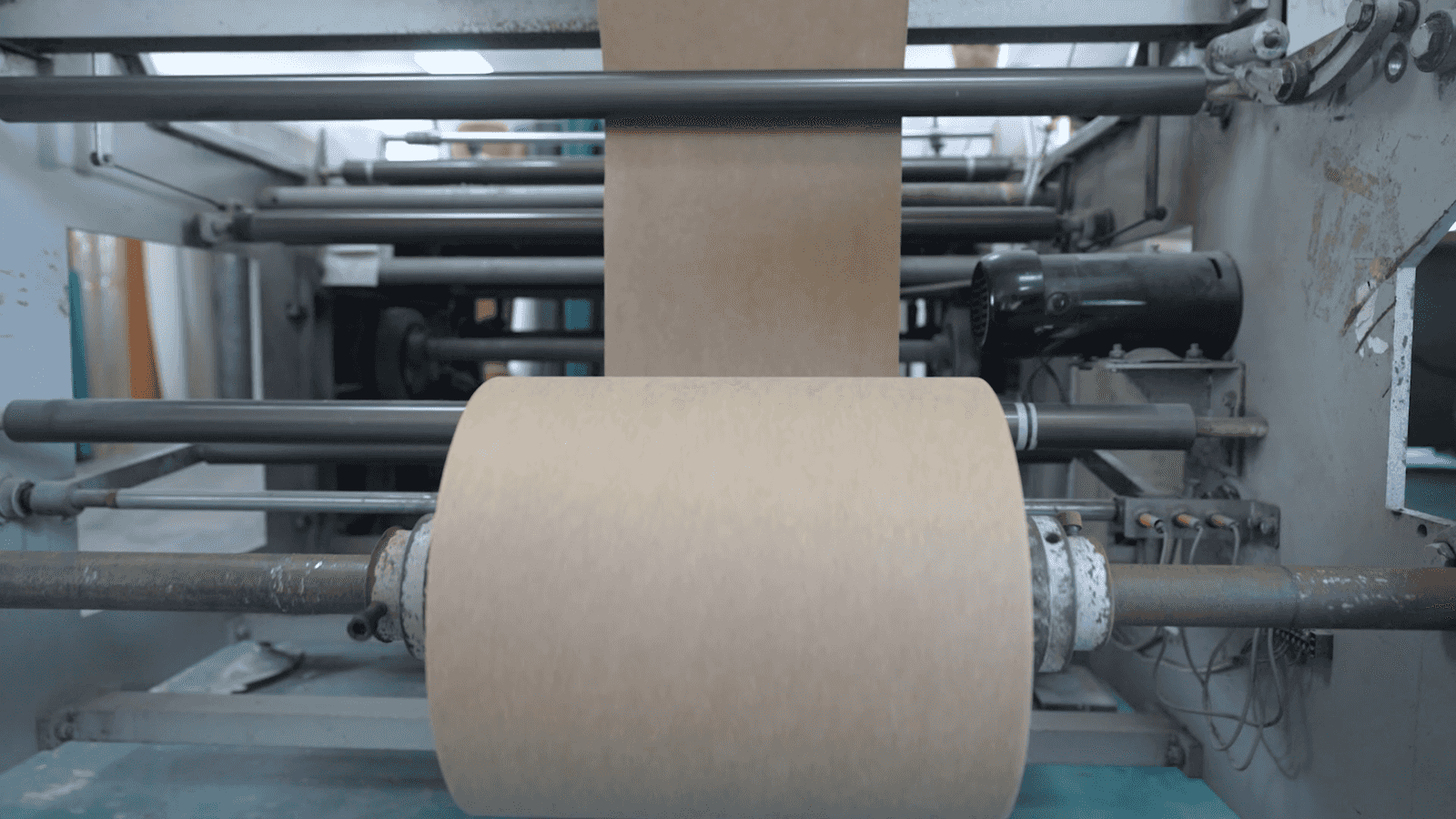
- Drying and calendering: The final kraft paper roll is formed.
III. Physical Properties: Why Is It So Strong?
- High tear resistance: Even if partially damaged, it does not easily continue to tear.
- High tensile strength: Withstands significant pulling force without breaking.
- Abrasion resistance: Wear-resistant surface, suitable for frequent use or transport.
- Lightweight: Far lighter than canvas, leather, and similar materials, easy to carry.
- Biodegradable: Made from natural wood pulp, it decomposes in the natural environment — a fully biodegradable, eco-friendly material.
IV. Main Types
| Type | Characteristics | Common Uses |
|---|---|---|
| Natural kraft paper | Yellow-brown, unbleached or lightly bleached, retaining the original color and strength of wood pulp | Industrial packaging, cement sacks, courier envelopes, heavy-item outer packaging |
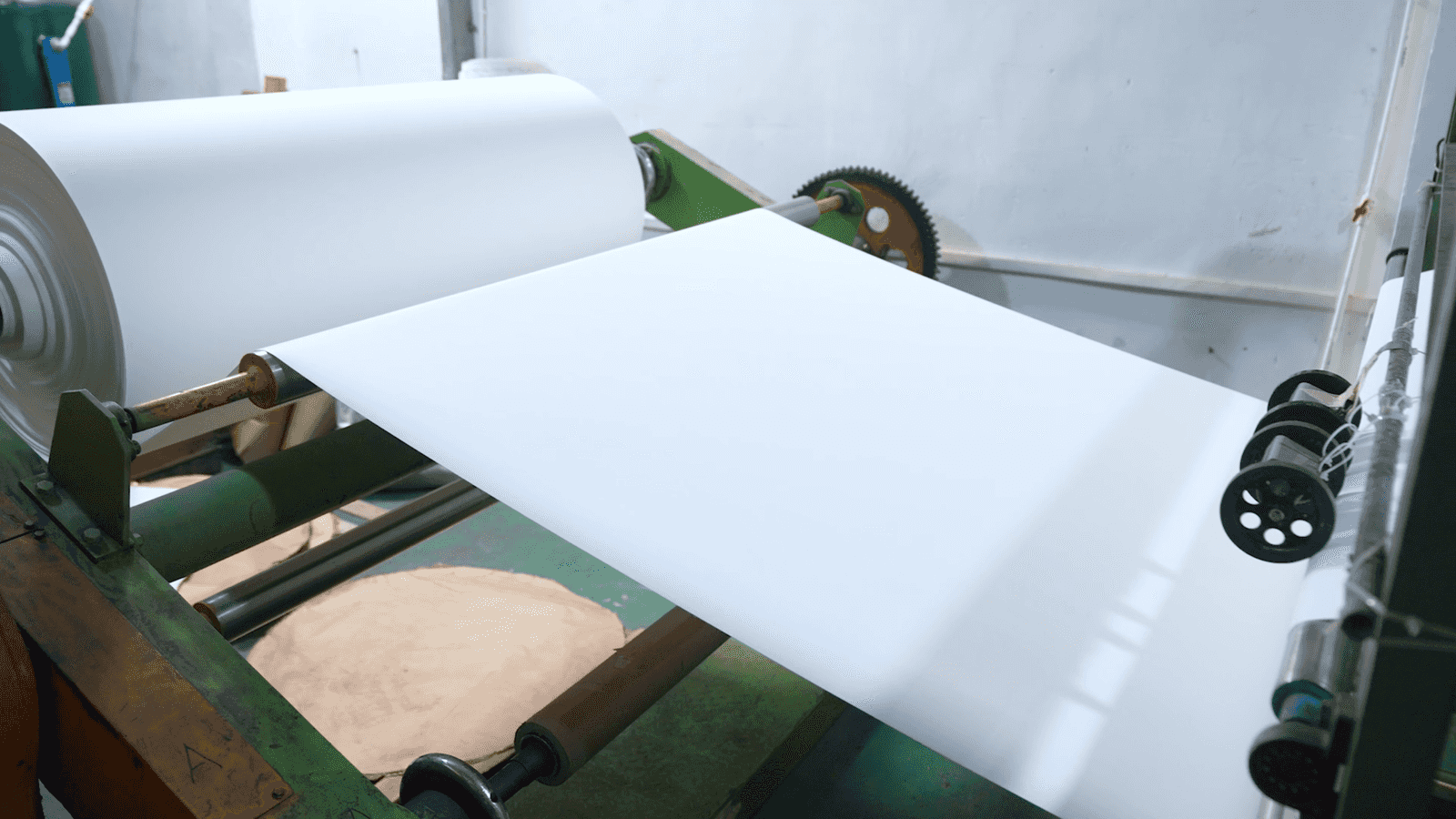
| White kraft paper | Bleached to pure white or off-white, visually cleaner and more premium | Premium shopping bags, food packaging, garment packaging |
| Coated kraft paper | Coated with a PE film (polyethylene) on the surface, offering excellent water- and oil-resistance | Food delivery boxes, fast-food paper bags, moisture-proof packaging |
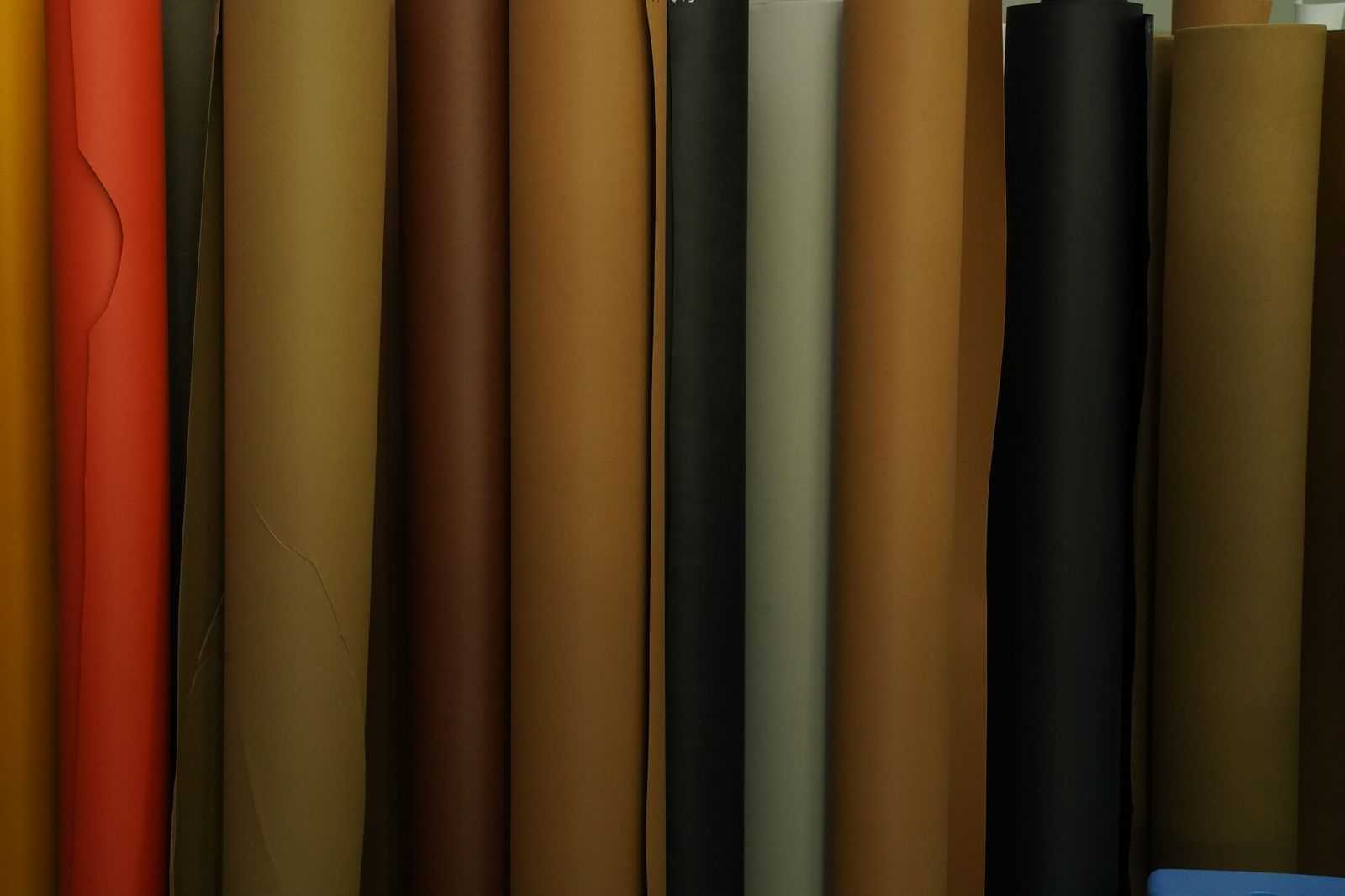
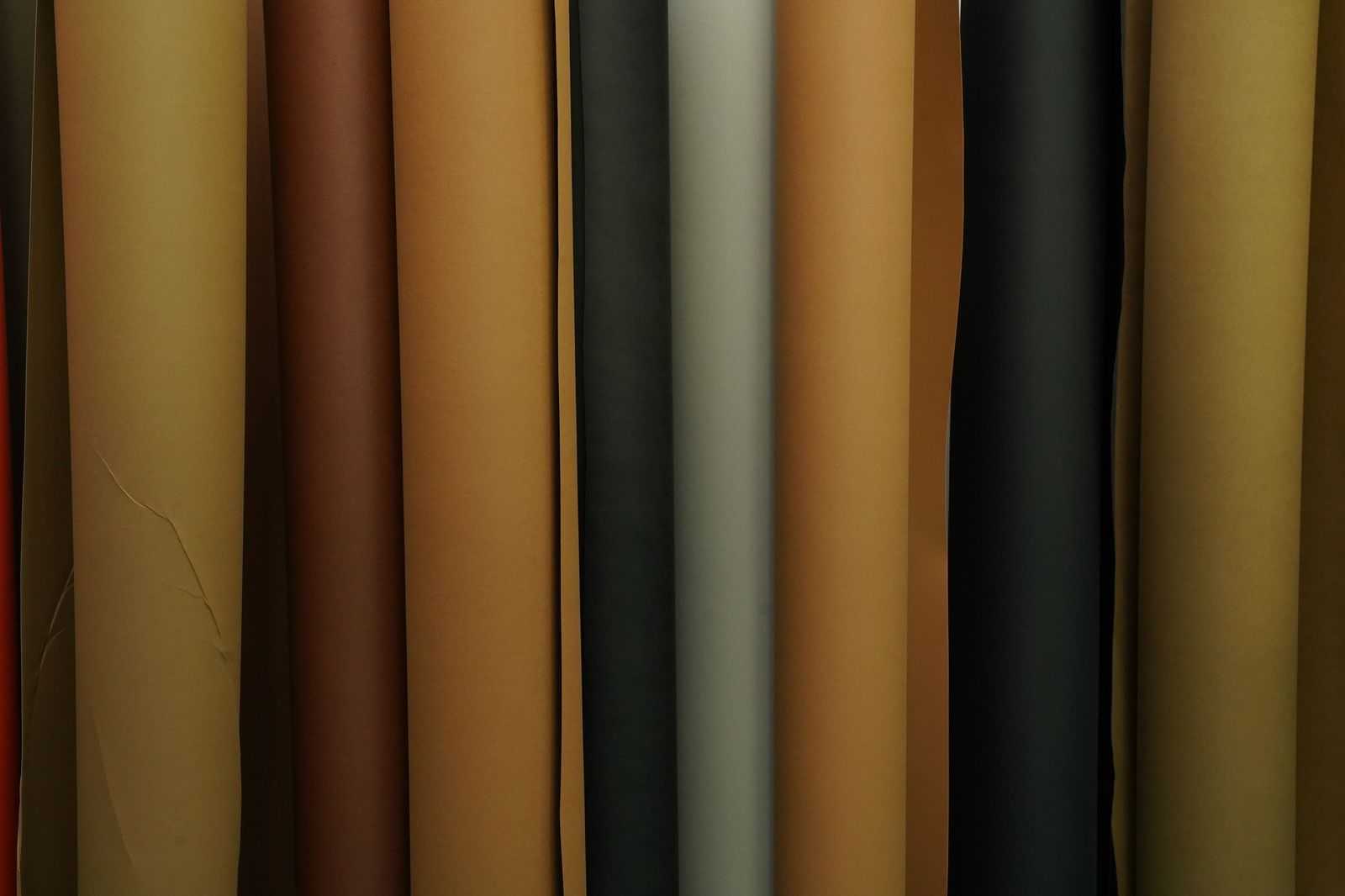
| Washable kraft paper | Leather-like in appearance and feel, wash-resistant and crease-resistant; machine- and stone-washable | Eco-friendly handbags, backpacks, cultural-creative products, garment labels, hang tags |
V. Main Uses: Everywhere from Industry to Daily Life
1. Everyday packaging
- Shopping carry bags (supermarkets, clothing stores, boutiques)
- Food-grade wrapping paper (bread bags, burger paper, coffee bean bags)
- Gift wrapping paper (premium, minimalist, eco-friendly)
2. Industrial transport
- Courier envelopes (kraft bubble mailers, document bags)
- Heavy-item outer packaging (cement sacks, chemical raw-material bags)
- Cushioning filler (kraft paper balls, honeycomb paper)
3. Creativity and crafts
- Drawing paper (sketching, watercolor, colored pencil)
- DIY crafts (origami, paper carving, collage)
- Notebook covers, label tags, hang cards
4. Construction and engineering
- As a vapor barrier: combined with polyethylene or oxidized asphalt for building moisture-proof layers
- Sandpaper substrate: provides a firm backing for sandpaper
VI. Eco Properties: Why Is It a Green Material?
- Renewable raw materials: Mainly natural wood (coniferous trees), a renewable resource.
- Biodegradable: In nature, kraft paper decomposes into organic matter in a short time, causing no white pollution.
- Recyclable: Waste kraft paper can be recycled to produce other low-strength papers or cardboard.
- Non-polluting: The production process does not use harmful chemicals such as AZO dyes; the finished product is safe for the human body and harmless to soil.
VII. Summary and Outlook
Kraft paper begins with the long-fibered coniferous trees of Northern European forests, is refined through the kraft pulping process and forged by refining, and finally becomes the tough, durable, and eco-friendly all-purpose paper in our hands. It is both the unsung "guardian" of industrial transport and an increasingly popular design material in fashionable living.
As global reflection on plastic pollution deepens, kraft paper — especially washable kraft paper and coated kraft paper — is replacing more and more plastic products, becoming the preferred material for premium bags, eco-packaging, and creative cultural goods.
It is not just a sheet of paper. It is the wisdom of the industrial age, and the answer of the environmental era.